

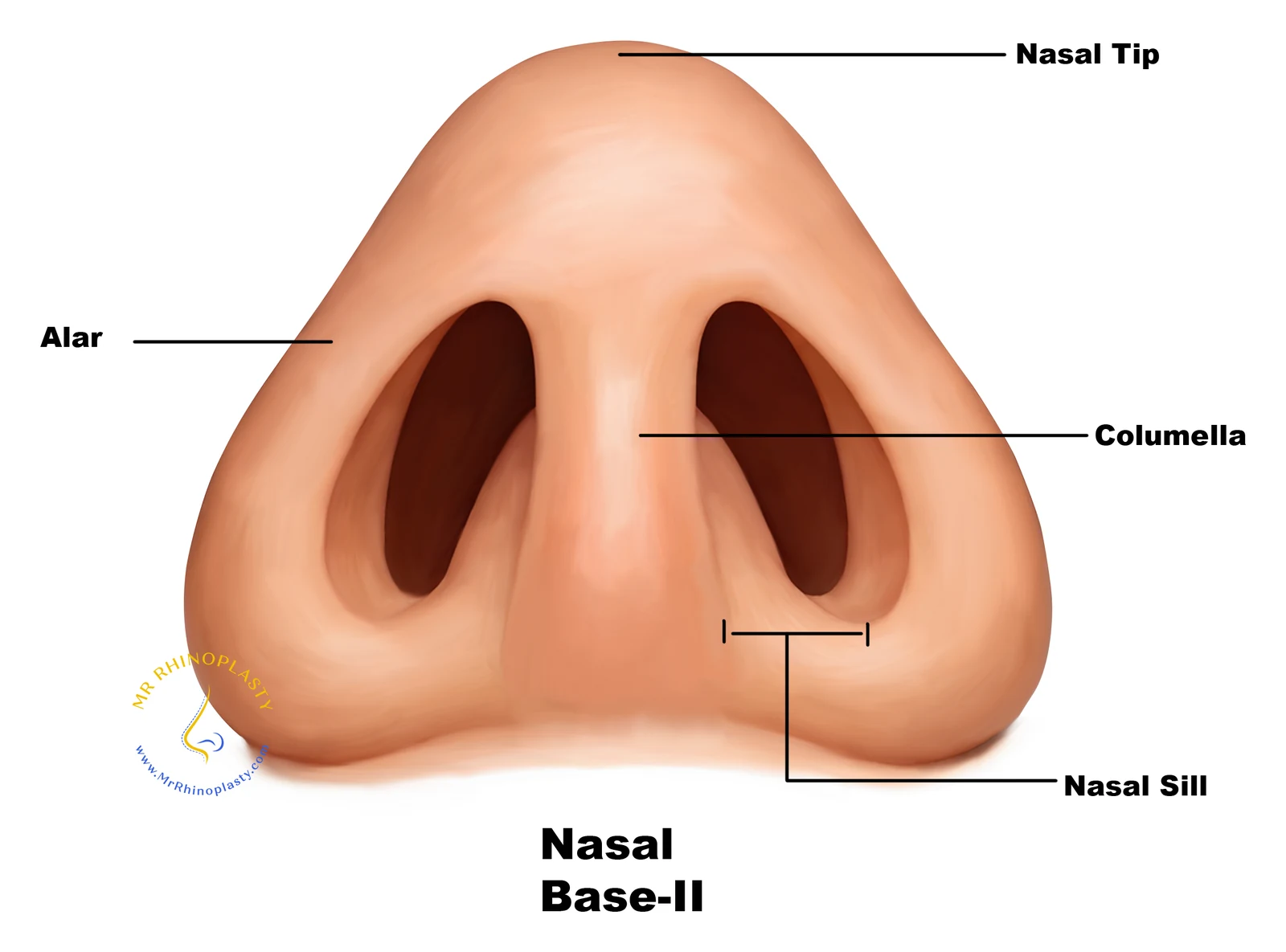
The aim of ethnic rhinoplasty is to refine the nose so that it suits your face, while keeping the features that reflect your heritage. Differences in skin thickness, cartilage strength and the shape of the bridge and nostrils mean the surgery is planned around your individual anatomy.
What Makes Ethnic Rhinoplasty Different?
Noses vary widely between people of different backgrounds, both on the outside and on the inside. Features that may need particular attention include:
Skin thickness
Thicker skin can soften fine detail and takes longer to settle after surgery.
Bridge height
A lower bridge may need to be built up rather than reduced.
Tip support
Softer tip cartilages may need strengthening to give lasting definition.
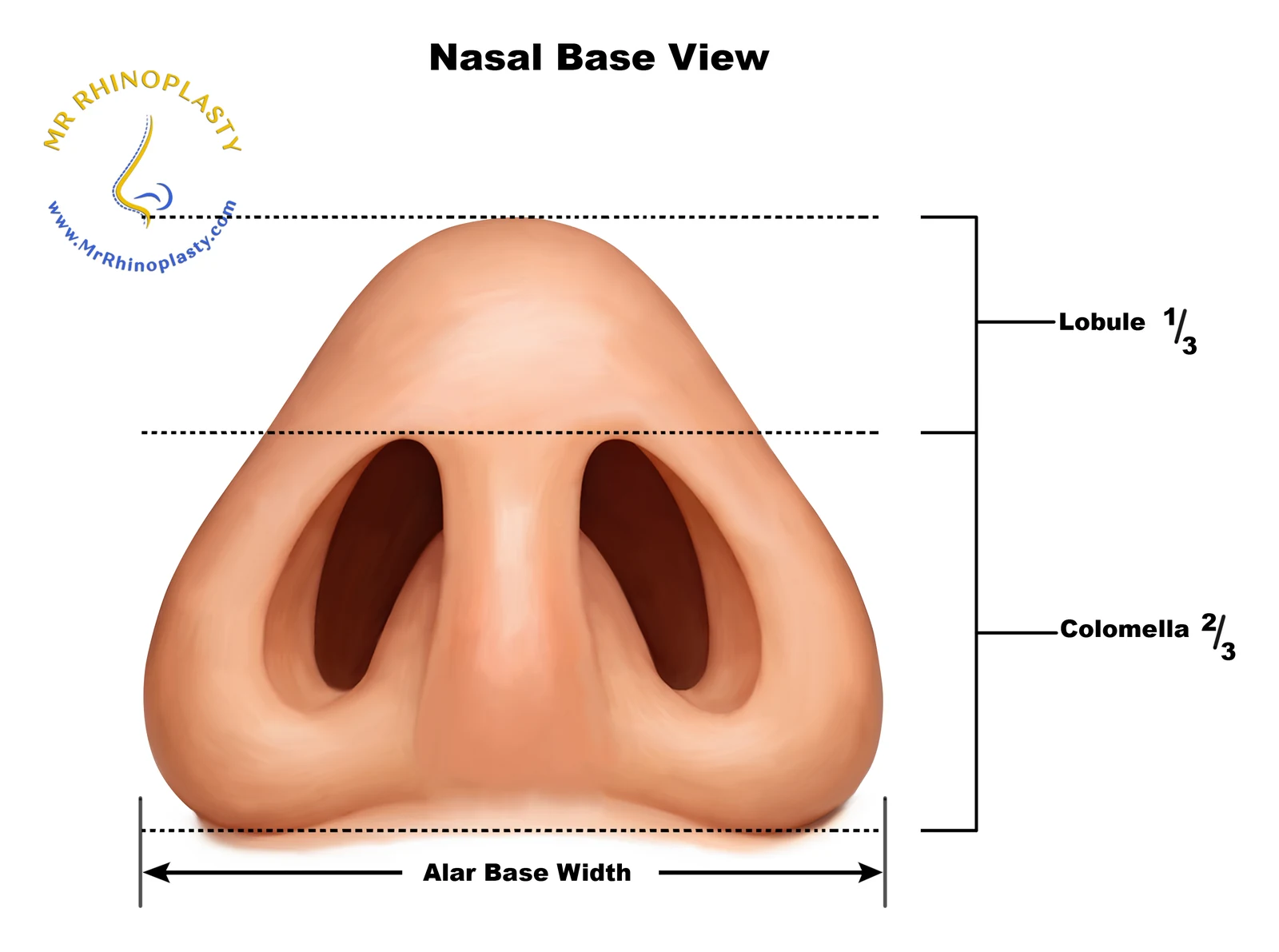
Nostril width
A wider nostril base can be narrowed in proportion with the face.
Keeping Your Identity
Most patients want a nose that looks natural and in keeping with their face, not a change in their ethnic appearance. Mr Patel discusses your goals in detail and can use computer imaging to show realistic changes, so the plan is shaped around what matters to you.
Techniques Used
Because many patients need structure added rather than removed, ethnic rhinoplasty often uses cartilage grafts - usually from the septum, and sometimes from the ear or rib - to raise the bridge or support the tip. Nostril narrowing can be performed through small incisions placed in the natural crease where the nostril meets the cheek. Breathing is assessed at the same time, and any internal problems can be treated in the same operation.
Healing and Swelling
Thicker skin tends to swell more and for longer, particularly around the tip, so the final result can take a year or more to show. Mr Patel will explain what to expect at each stage of your recovery.
Mr Patel plans every operation around your individual face rather than a single “ideal” nose.
Discuss Your Goals
To talk through what ethnic rhinoplasty could achieve for you, book a consultation with Mr Patel at 51 Harley Street.