Consultant Rhinoplasty Specialist · Harley Street, London
Nasal Concerns

Deviated Septum

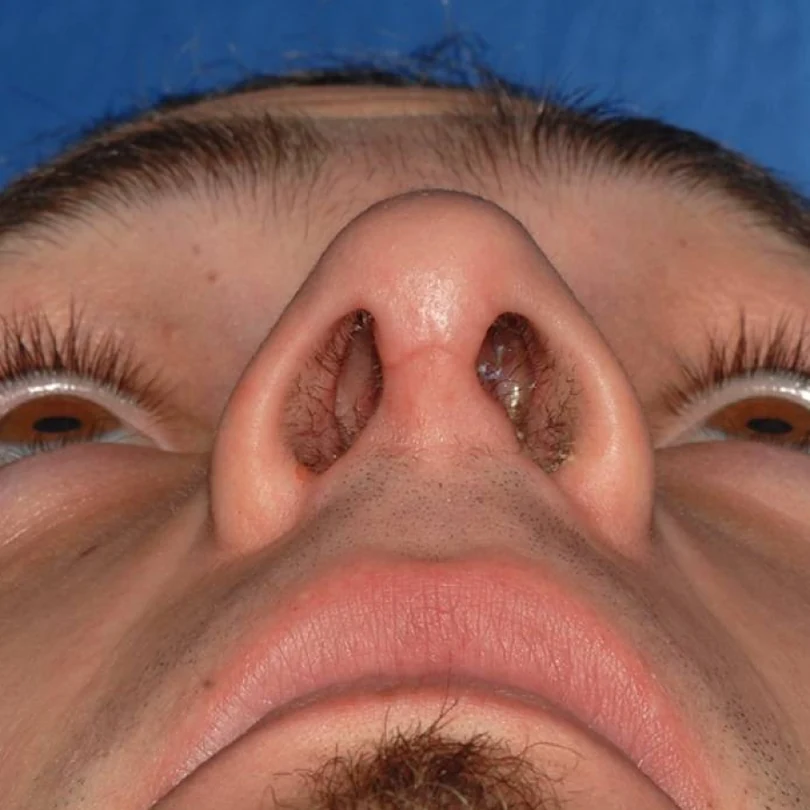
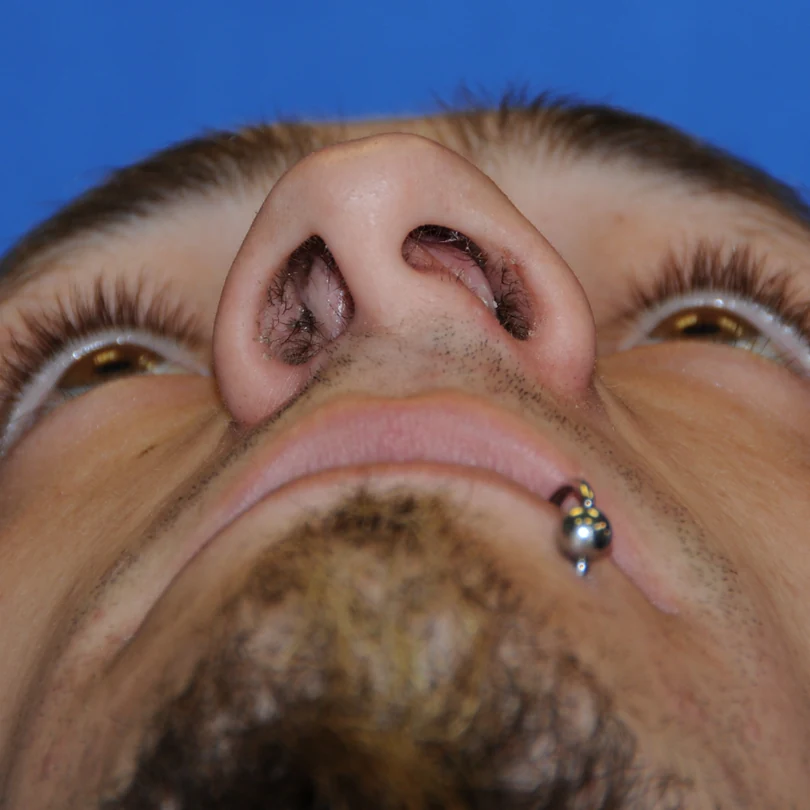
A deviated septum occurs when the wall of cartilage and bone dividing the two nostrils - the nasal septum - is displaced to one side, narrowing one or both nasal passages.

After deviated septum surgery Before deviated septum surgery
Drag to compare

What Is a Deviated Septum?

The septum is the central wall inside the nose, made of cartilage at the front and bone further back, and it supports the shape of the nose from the inside. When it bends or leans to one side, it can narrow the airway on that side - and sometimes on both sides where the bend forms an “S” shape.

Not every deviated septum requires treatment. Many people live with a deviated septum for years without symptoms, and it is often identified incidentally during examination for an unrelated concern. Treatment is generally considered when it is contributing to noticeable breathing difficulty.

Causes and Characteristics

Many people are born with some degree of septal deviation, while others develop it following an injury to the nose. The degree of deviation varies widely - from a minor variation that causes no symptoms, to a significant cause of nasal obstruction.

Common signs include a blocked feeling on one or both sides, difficulty breathing through the nose during exercise or sleep, snoring, and a tendency towards nosebleeds or sinus symptoms. A deviated septum may also contribute to a crooked appearance of the nose, particularly where the front part of the septum is affected.

Treatment options

A deviated septum is corrected through septoplasty, which straightens the septum to improve airflow. For more complex deformities, an external approach may be used. See What Is Septoplasty? for full detail, including when septoplasty is combined with rhinoplasty.

Deviated Septum Correction

Septoplasty is usually carried out under general anaesthetic through incisions inside the nose, so there is no external scar. The bent sections of cartilage and bone are straightened, repositioned or removed, while enough support is preserved to protect the shape of the nose. Where the outside of the nose is also crooked, septoplasty can be combined with rhinoplasty in a single septorhinoplasty.

Breathing usually improves progressively as internal swelling settles over the first few weeks, with further improvement over the following months. See Post Operative Care and Healing Journey and Final Results for what to expect at each stage.

If you are concerned about a deviated septum and its effect on your breathing, book a consultation with Mr Patel to discuss your options.

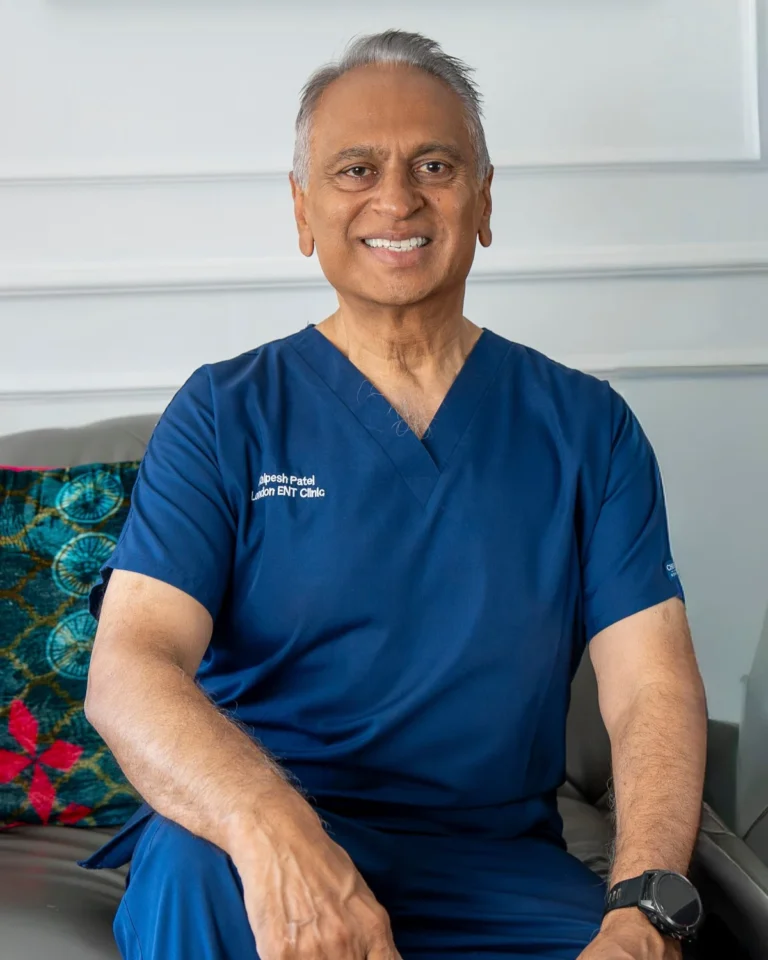
Mr Kalpesh S Patel FRCS

Personal consultation

Discuss your deviated septum with Mr Patel

A one-to-one assessment of your nose, skin and breathing, with honest advice on what is achievable.

Book a Consultation 0207 262 0297
  • FRCS (ORL-HNS) Consultant Surgeon
  • Founding President, BSRS
  • 51 Harley Street, London
Real patient results

Deviated Septum before & after

View the full gallery

Patient

Before
After

· use arrows, swipe or tap a view · Esc to close

See more before & after results

Photographs show individual patients of Mr Patel. Results vary from person to person.

Look better · breathe better · feel better

Surgical precision, natural results

Every nose is different. Mr Patel will assess your anatomy in person and explain the options, recovery and realistic outcome.

Prefer to talk? Call 0207 262 0297