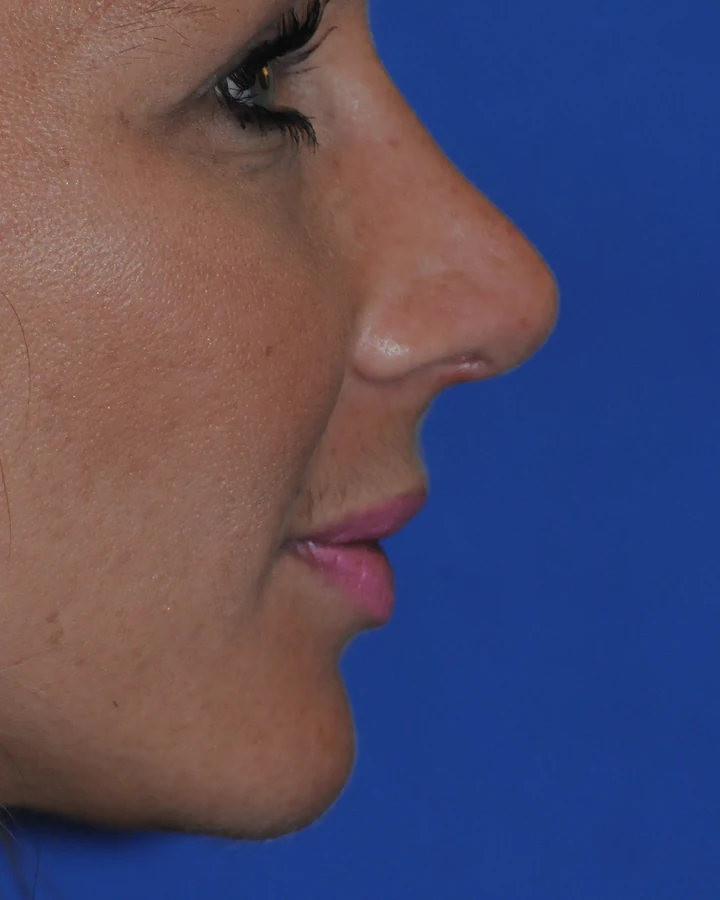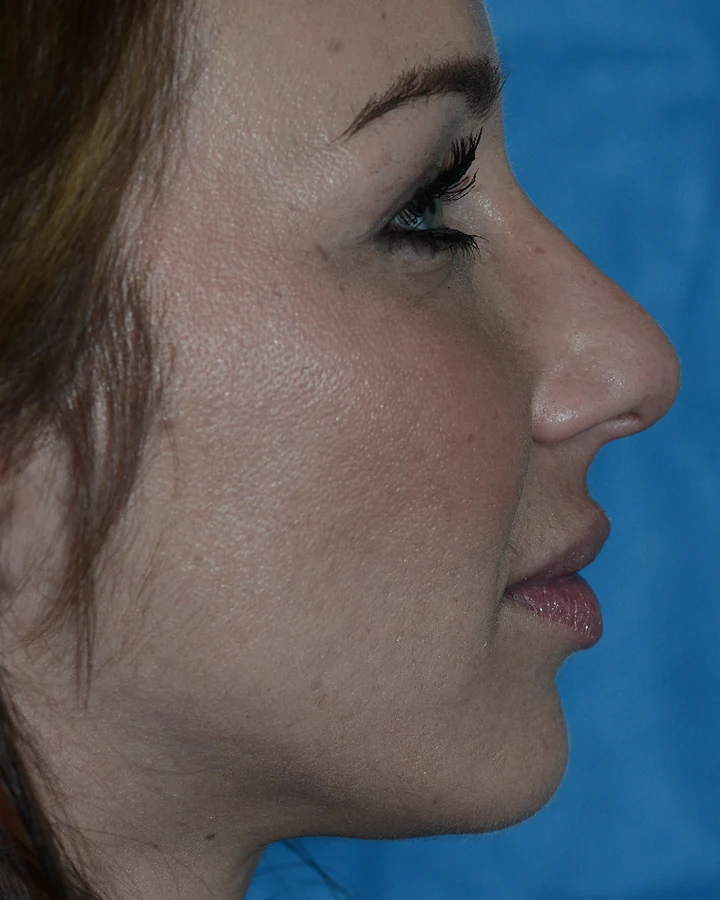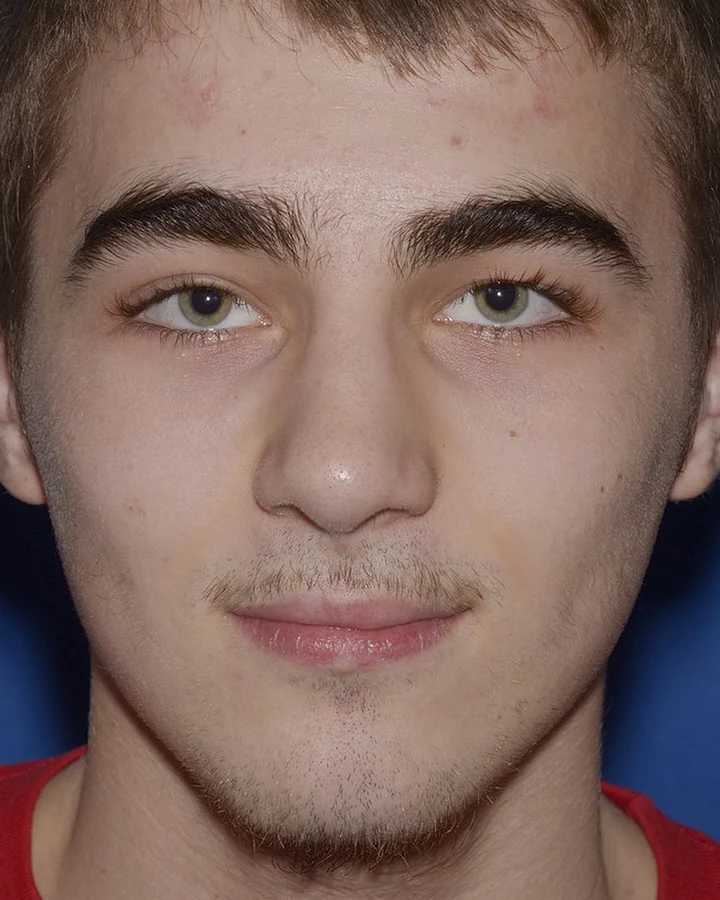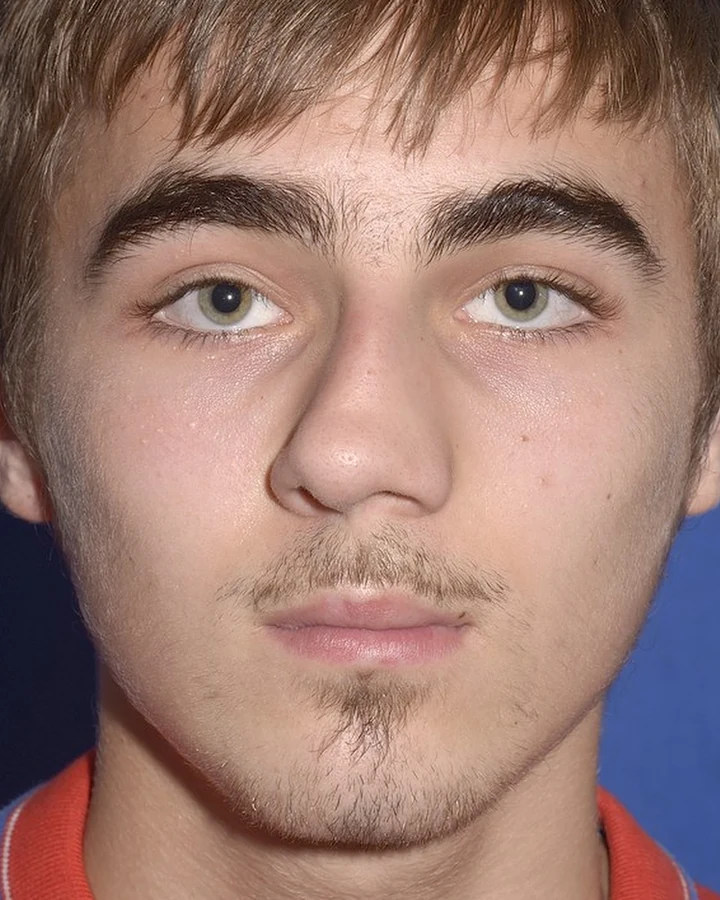

Dorsal hump reduction
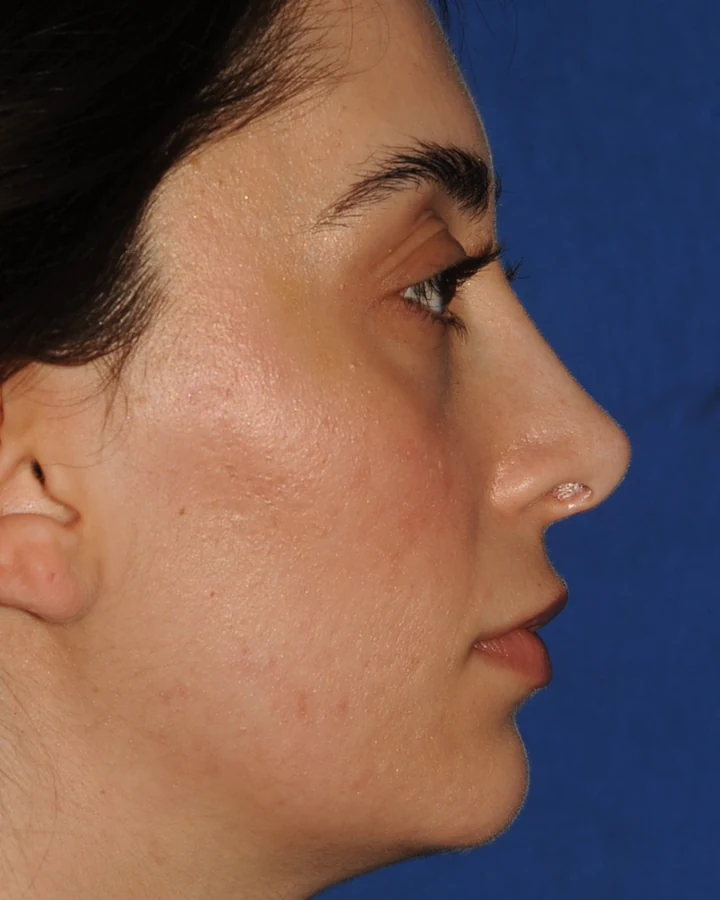
A dorsal hump is a visible bump along the bridge of the nose, caused by excess bone and cartilage.
Reduction reshapes the bridge to create a smoother profile, in proportion with the rest of the face.
Cosmetic rhinoplasty addresses the shape, proportion and balance of the nose. Rather than a single standard operation, Mr Patel selects and combines techniques around your individual anatomy and goals, so the result stays in proportion with the rest of your face.
Mr Patel’s cosmetic practice covers the full range of concerns below. Each is explained in more detail, with illustrations, on its own page.
A dorsal hump is a visible bump along the bridge of the nose, caused by excess bone and cartilage.
Reduction reshapes the bridge to create a smoother profile, in proportion with the rest of the face.
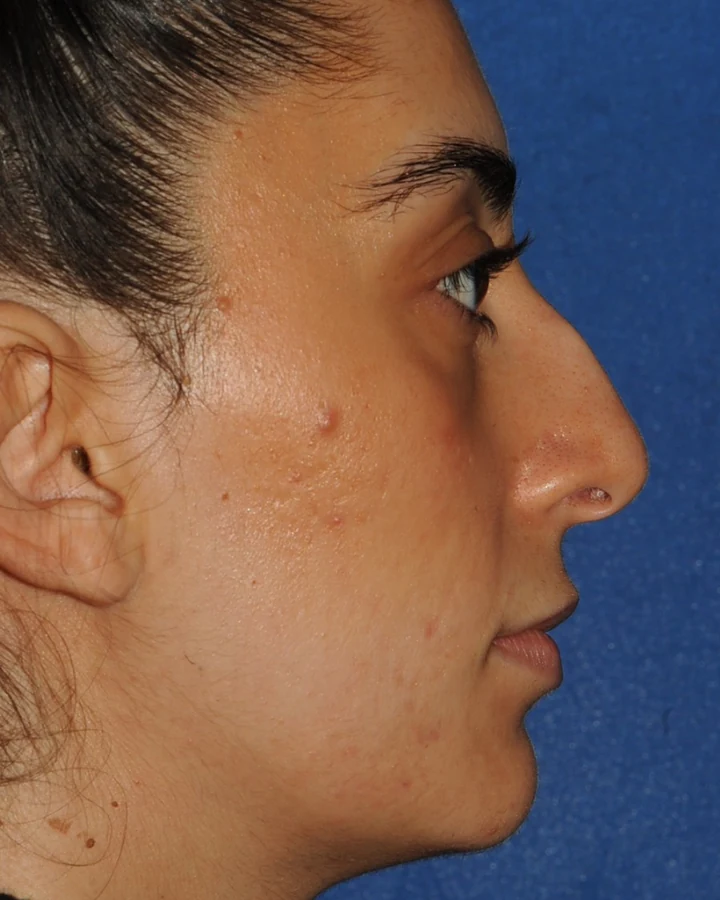
A collapse or dip in the middle of the bridge, often after injury, previous surgery or loss of support from the septum.
Correction usually rebuilds this support using cartilage grafts.
A crooked nose may be present from birth, develop with growth, or follow an injury.
Realigning the bone and cartilage framework, often including the septum, to straighten the nose and restore symmetry.
A rounded, wide or poorly defined tip, usually caused by the shape or spread of the lower lateral cartilages. Thick skin can also contribute.
Reshaping, and where needed narrowing, these cartilages to create a more defined tip.
A droopy, or under-rotated, tip points downward. This often becomes more noticeable when smiling and with age.
Tip rotation and support techniques lift and stabilise the tip, improving its angle and definition.
Projection is how far the tip of the nose extends from the face. A tip can be over-projected or under-projected.
Grafts and structural techniques bring projection into better balance with the facial profile.
A wide nasal base, or flared nostrils, can be reduced through alar base surgery, which narrows the width of the nostrils at their base.
Tip or bridge refinements, considered together for overall balance.
The length and rotation of the nose, meaning how far the tip points upward or downward, can be adjusted.
Cartilage grafts and careful repositioning of the tip structures bring the nose into better proportion with the face.
Nasal surgery that respects and works with the natural variations in nasal shape, skin thickness and cartilage strength seen across different ethnic backgrounds.
Having practised in London for many years, Mr Patel has particular experience in this area, reflecting the diverse range of patients he treats.
Follows the same surgical principles as rhinoplasty generally, but aims to preserve a stronger, more defined nasal profile in keeping with typical male facial proportions, rather than the softer contours often sought by female patients.
The nose keeps changing gradually through adult life as skin, cartilage and supporting ligaments lose some strength. The tip may drop, the bridge may look more prominent, or the nose may lengthen slightly.
These changes can be addressed as part of a rhinoplasty at any age.
Drag the slider on each photo to compare. Every patient’s anatomy and goals are different, and these photographs are intended to support informed conversations, not to predict your result.
BeforeAfter
BeforeAfter
BeforeAfter
Browse the full gallery of cosmetic, functional and revision cases.
Explore the Photo GalleryIndividual results vary.
Mr Patel’s assessment is guided by five questions, so you can weigh up surgery with a clear picture.
What could surgery improve for you?
What are the possible risks and complications?
Are there other options to consider?
How do you feel about going ahead?
What happens if you choose not to have surgery for now?
| Feature | CosmeticYou are here | Functional | Revision |
|---|---|---|---|
| Main goal | Reshape the nose: shape, proportion and balance | Improve breathing and airflow through the nose | Correct or refine the result of previous surgery |
| Typical concerns | Bridge hump, tip shape, crooked or wide nose, length, projection | Deviated septum, nasal valve collapse, enlarged turbinates, scar tissue | Unhappy with appearance, new or ongoing breathing problems, loss of support |
| Can be combined? | Yes, often with functional surgery | Yes, often with cosmetic goals in one procedure | Yes, may address appearance and breathing together |
| Learn more | You are on this page | Functional rhinoplasty | Revision rhinoplasty |
Functional rhinoplasty focuses on improving the airway, meaning how easily air flows through the nose. It is often combined with cosmetic goals in a single procedure.
Cosmetic rhinoplasty is surgery to change the shape, proportion and balance of the nose so it sits in harmony with the rest of the face. Concerns include a bump on the bridge, a bulbous or droopy tip, a crooked or wide nose, and the length or projection of the nose.
Yes. Functional rhinoplasty, which improves the airway, is often combined with cosmetic goals in a single procedure. When a deviated septum is involved, septoplasty and rhinoplasty can be performed together as a septorhinoplasty. Learn about functional rhinoplasty.
A bulbous tip is usually caused by the shape or spread of the lower lateral cartilages. Refinement reshapes these cartilages, narrowing them where needed, to create a more defined tip. Thick skin can also contribute to tip bulbosity.
Ethnic rhinoplasty is nasal surgery that respects and works with the natural variations in nasal shape, skin thickness and cartilage strength seen across different ethnic backgrounds. Mr Patel has particular experience in this area from many years of practice in London.
Male rhinoplasty follows the same surgical principles, but aims to preserve a stronger, more defined nasal profile in keeping with typical male facial proportions, rather than the softer contours often sought by female patients.
Yes. The nose changes gradually through adult life as skin, cartilage and supporting ligaments weaken. The tip can drop, the bridge can look more prominent and the nose can lengthen slightly. These changes can be addressed as part of a rhinoplasty at any age.
Surgery to refine or correct a previous rhinoplasty is called revision rhinoplasty. It is one of the most demanding areas of nasal surgery, and a significant part of Mr Patel’s practice. Read about revision rhinoplasty.
Find out which type of rhinoplasty is right for you, whether primary, functional or revision, at a consultation at 51 Harley Street.