
A deviated septum can narrow one or both nasal passages, causing a blocked nose, mouth breathing, snoring or disturbed sleep. Septoplasty straightens the septum from inside the nose, usually with no external scar. When the outside of the nose is also crooked or out of balance, it can be combined with rhinoplasty in a single operation - a septorhinoplasty.
What Is the Septum?
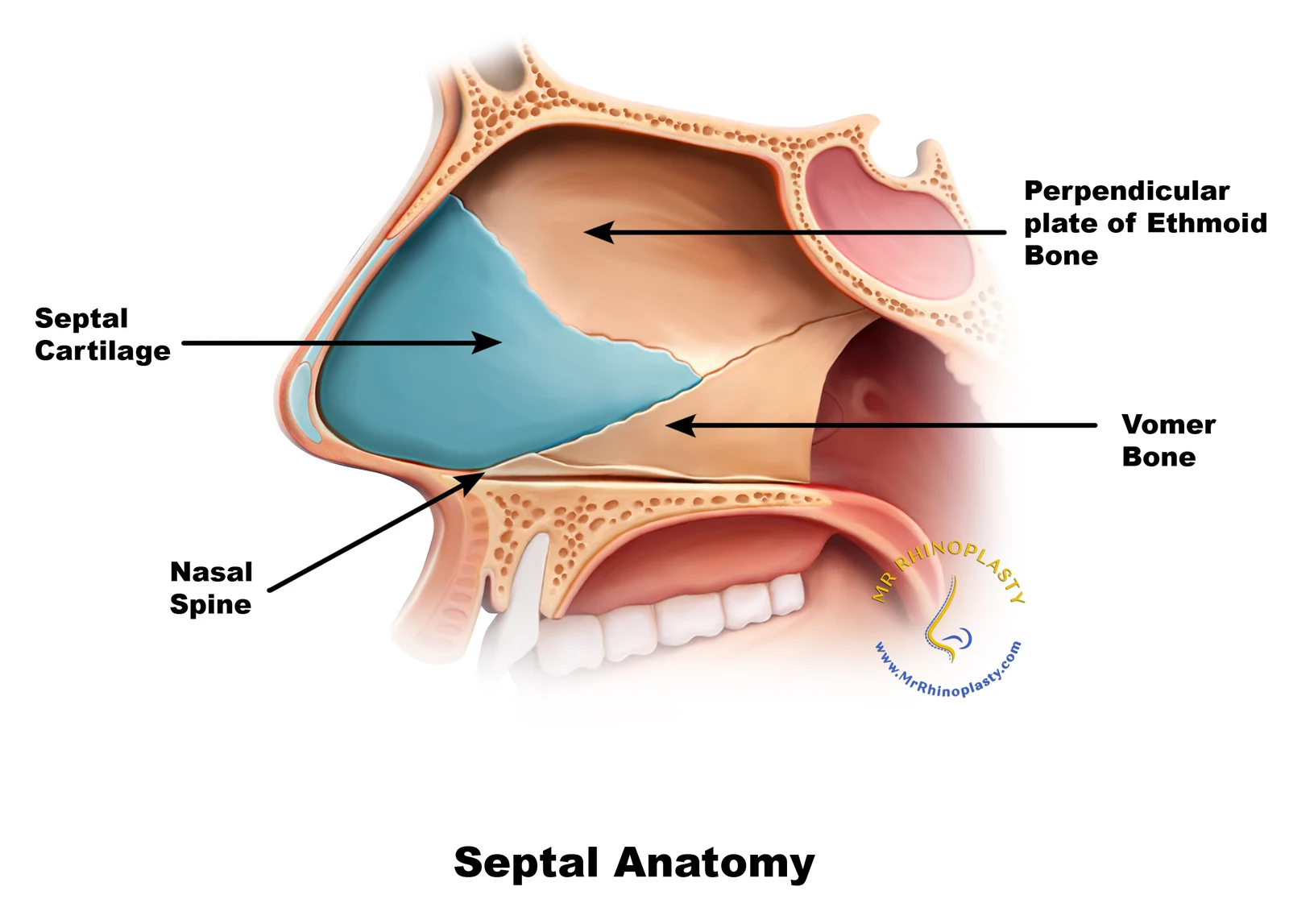
The septum is the wall of bone and cartilage that separates the nose into two nostrils. It also supports the middle and lower parts of the nose, so its shape affects both how the nose works and how it looks. Very few septums are perfectly straight - a deviation only needs treatment when it causes symptoms.
Symptoms of a Deviated Septum
Many people have a minor deviation without any problems. When the bend is more significant, it can cause:
Blocked nose
Difficulty breathing through one or both nostrils, often worse on one side.
Mouth breathing and snoring
Breathing through the mouth, particularly at night, and snoring.
Disturbed sleep
Poor sleep and daytime tiredness caused by a blocked airway.
Sinus problems and headaches
Recurrent sinus infections, facial pressure or headaches in some patients.
Nosebleeds
Dryness over the bent part of the septum can lead to recurrent nosebleeds.
Why Septoplasty?
If you have a deviated septum that is causing symptoms, surgery is the only way to correct it - nasal sprays and other medicines can ease congestion but cannot straighten the septum. A deviated septum may be present from birth or follow an injury to the nose.
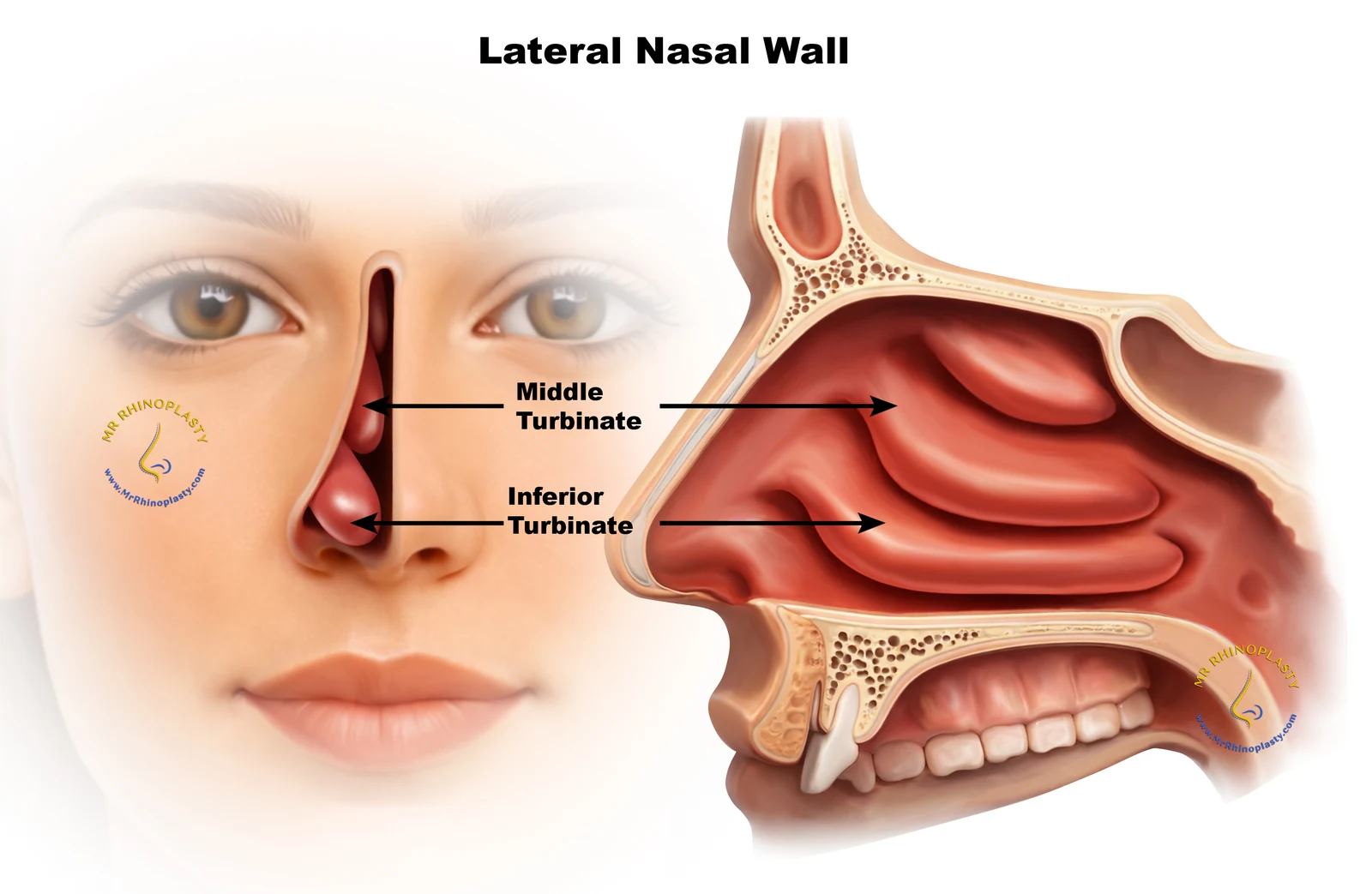
Mr Patel will examine the inside of your nose before recommending surgery, as other structures such as the turbinates or the nasal valves can also contribute to a blocked nose.
How Is Septoplasty Performed?
During the operation the cartilage and bone causing the deviation are straightened, repositioned or, where necessary, partly removed. Septoplasty is usually done from inside the nose, so there is no external scar.
From inside the nose
Usually carried out entirely through the nostrils, leaving no visible scar.
External approach
Occasionally a small incision is needed to correct a more complex deviation.
Extra-corporeal septoplasty
In complex cases the septum is totally or partly removed, re-fashioned and re-inserted into the nose.
Septoplasty Combined With Rhinoplasty
When the outside of the nose is also crooked, or you would like to change its shape, septoplasty can be performed at the same time as rhinoplasty. This is known as septorhinoplasty. Because the septum supports the nose, correcting it is often an important part of straightening a crooked nose. See Functional Rhinoplasty and Deviated Septum.
Recovery After Septoplasty
Your nose will feel blocked for the first few weeks while the lining heals. Mr Patel will explain how to care for your nose, when you can return to work and exercise, and when you will be seen for review. See The Patient Journey for what to expect at each stage.
Mr Patel is a Consultant ENT Surgeon, so your breathing and the appearance of your nose are assessed together at every consultation.
Is Your Nose Blocked?
To find out whether septoplasty could help your breathing, book a consultation with Mr Patel at 51 Harley Street.