
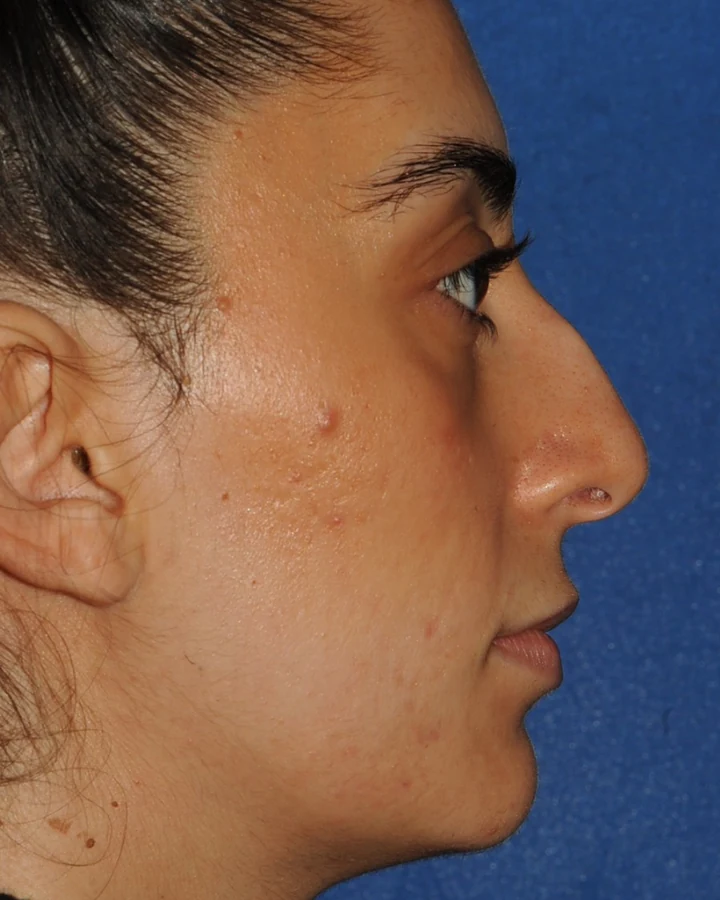
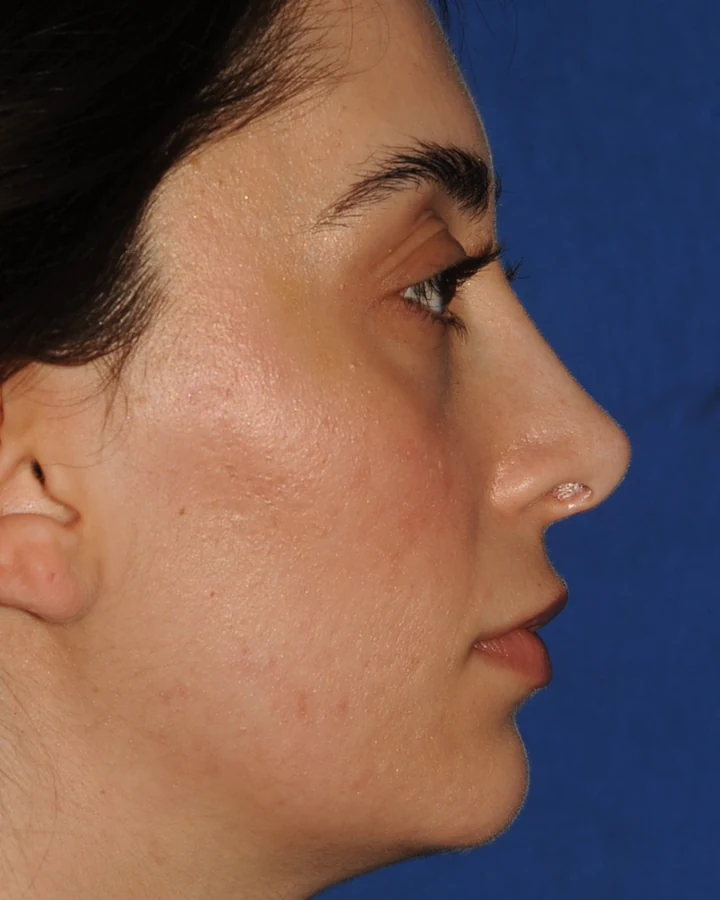
Rhinoplasty carries the general risks of anaesthesia and specific risks such as bleeding, infection, swelling, asymmetry and changes to breathing. Published revision rates are around 5-10%, and revision is not usually considered until swelling has fully settled, typically around 12-18 months.
What Are the Risks of Rhinoplasty?
As with any operation performed under general anaesthesia, rhinoplasty carries the general risks associated with anaesthesia itself, which are discussed individually with your anaesthetist. Risks specific to rhinoplasty include:
Bleeding
Both during surgery and in the early recovery period.
Infection
Uncommon, but can occur in any surgical wound.
Swelling and bruising
Expected after surgery, resolving over the timeline described in The Patient Journey.
Changes in skin sensation
Such as temporary numbness over the tip or along the bridge, which usually settles over several months.
Asymmetry
Particularly in the early stages of healing, though some very minor asymmetry is normal in every face. Asymmetrical deposition of scar tissue under the surface can occur and results in subtle skin defects.
Septal perforation
Especially when there is significant septal deformity.
Changes to breathing
Which may be temporary due to swelling, or occasionally require further attention if a structural issue is identified.
Scarring
With modern techniques, typically minimal and well concealed, as discussed in What Is Rhinoplasty?
Persistent nasal discharge
Due to hypersensitivity of the nasal lining (vasomotor rhinitis), which can be managed using a nasal spray.
Altered sense of smell
Fortunately a very rare complication in rhinoplasty surgery.
A result that does not fully meet expectations
Even where the surgery itself has gone as planned.
The possibility of needing further surgery
Addressed in detail below.
Each of these is discussed individually during consultation, in the context of your own anatomy and the specific surgery being considered.
What Is the Revision Rate for Rhinoplasty, and What Does It Mean?
This figure reflects the inherent complexity of rhinoplasty - the combination of living tissue, individual healing, and the long timeline (up to twelve months, as discussed in The Patient Journey) before a final result is visible means that even a technically successful operation can settle in a way that warrants further refinement.
Mr Patel discusses this figure openly with every patient as part of setting realistic expectations from the outset - not as a deterrent, but because an honest understanding of the possibility of revision is part of genuinely informed consent.
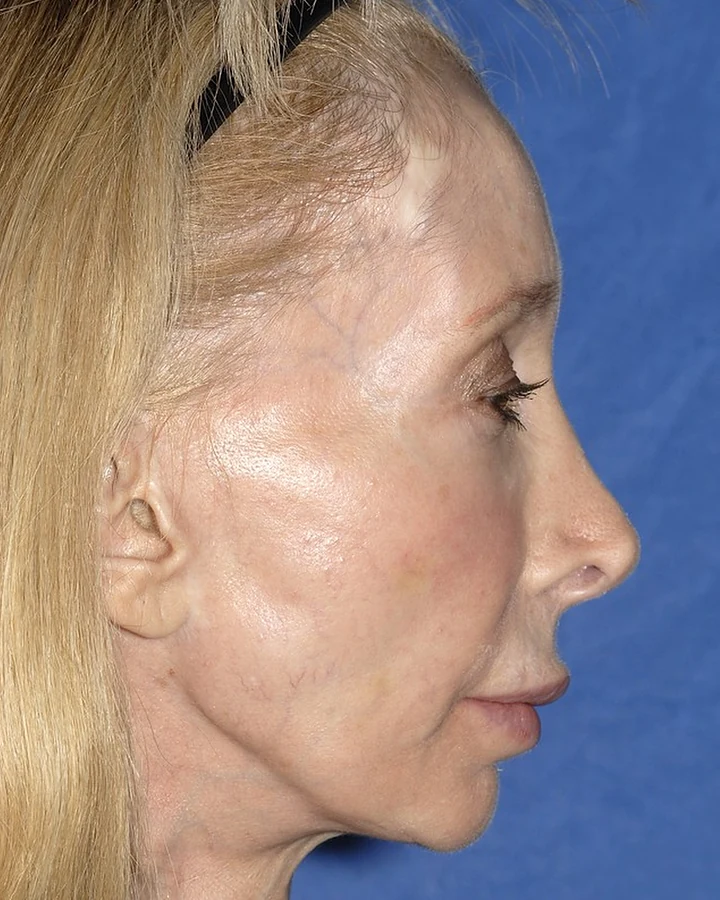 Before
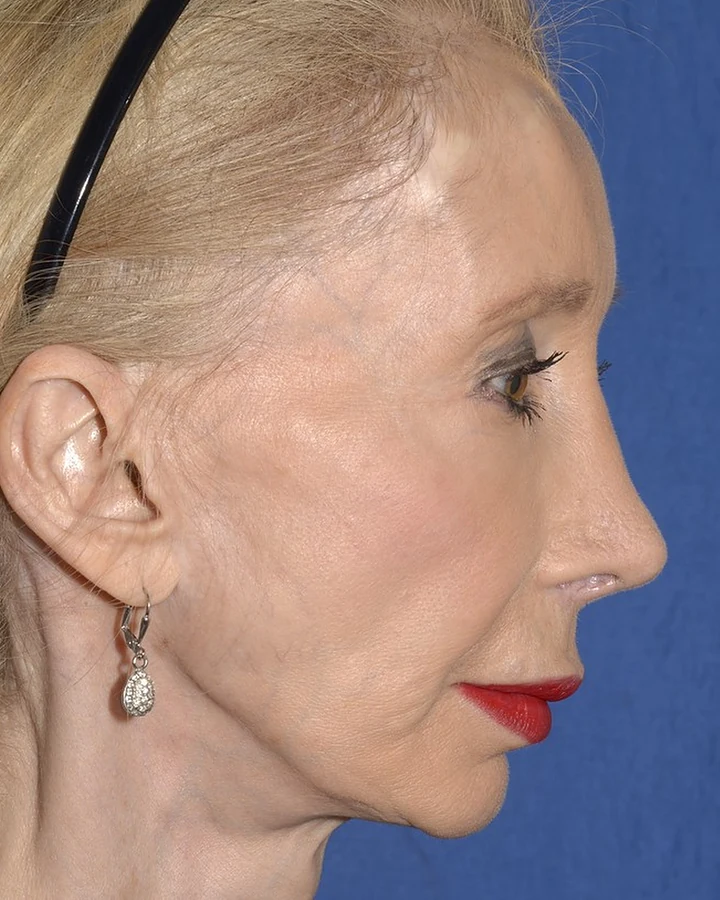 After
How Are Complications Identified and Managed?
Most concerns following rhinoplasty are identified at routine follow-up appointments, which form part of every patient’s recovery pathway. Where something doesn’t follow the expected pattern - for example, signs of infection, or bleeding that doesn’t settle - patients are given clear guidance on how to contact the clinic directly, as outlined in The Patient Journey.
The great majority of post-operative concerns are minor and resolve with straightforward management - for example, infection is treated promptly with antibiotics, and minor asymmetry in early healing often settles as swelling resolves. Where a concern persists beyond the point at which healing should be complete, this is assessed individually, and forms the starting point for any discussion of revision.
The Revision Rhinoplasty Pathway - When and How to Proceed
Allow swelling to fully settle
Because the final result isn’t visible until swelling has fully settled - typically around 12-18 months, as discussed in When Will I See My Final Results? - revision is not usually considered before this point, except where there is a clear functional problem, such as persistent breathing difficulty, that needs earlier attention.
A fresh consultation and examination
The process begins in the same way as any other consultation: a full discussion of what isn’t working, a fresh examination, and an honest assessment - using the BRAIN framework - of what can realistically be achieved.
Rebuilding support where needed
Each subsequent procedure is more complex than the one before, often because less of the nose’s own cartilage remains and more scar tissue is present. Additional structural support is most often provided using your own cartilage - from the septum where any remains, or from the rib where it does not, as explained in Types of Rhinoplasty Procedures.
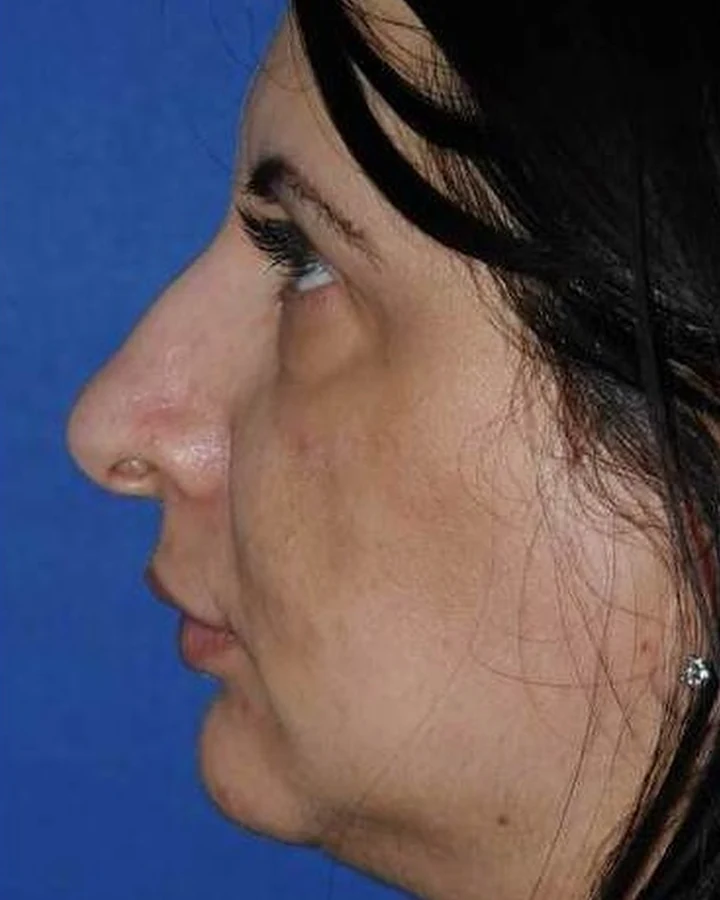 Before
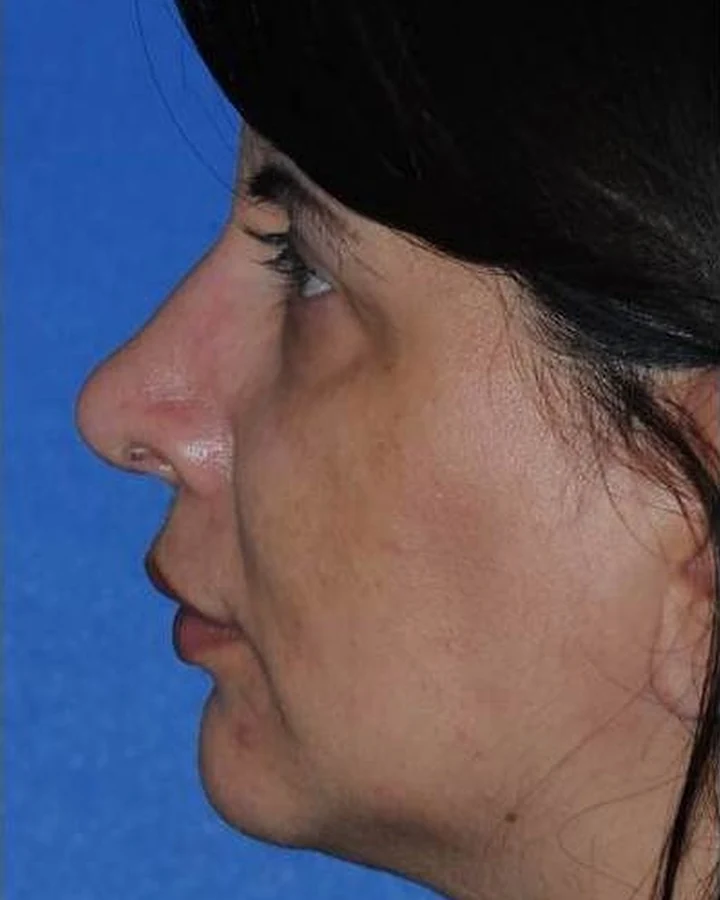 After
Cartilage Grafts in Revision Surgery
The use of cartilage grafts - including rib cartilage in more complex cases - is covered in detail in Revision Rhinoplasty. In summary: because previous surgery often uses up or weakens the nose’s own cartilage framework, rebuilding structural support with grafted cartilage is frequently a central part of revision surgery, and is planned for individually based on what is found at examination and, where needed, during surgery itself.
Concerns After Previous Surgery?
If you have concerns following previous surgery - whether performed by Mr Patel or another surgeon - book a consultation to discuss your options, assessed individually and without judgement.
Common Questions
What are the risks and complications of rhinoplasty?
As with any surgery, risks include bleeding, infection, swelling, changes in sensation, asymmetry, changes to breathing, scarring, and - in a small proportion of cases - an outcome that does not fully meet expectations. Each of these is discussed individually during consultation.
When can I have a revision rhinoplasty?
Because the final result of rhinoplasty isn’t visible until around 12-18 months after surgery, revision is not usually considered before this point, except where there is a clear functional problem needing earlier attention.
What happens if I’m not happy with my result?
If, once healing is complete, you are not happy with your result, this is discussed openly and assessed individually, using the BRAIN framework to consider what, if anything, could realistically be improved.