Consultant Rhinoplasty Specialist · Harley Street, London
Nasal Concerns

Nasal Valve Collapse

Nasal valve collapse occurs when one of the narrowest points of the airway - the internal or external nasal valve - narrows further, or collapses inward, during breathing, restricting the flow of air through the nose.

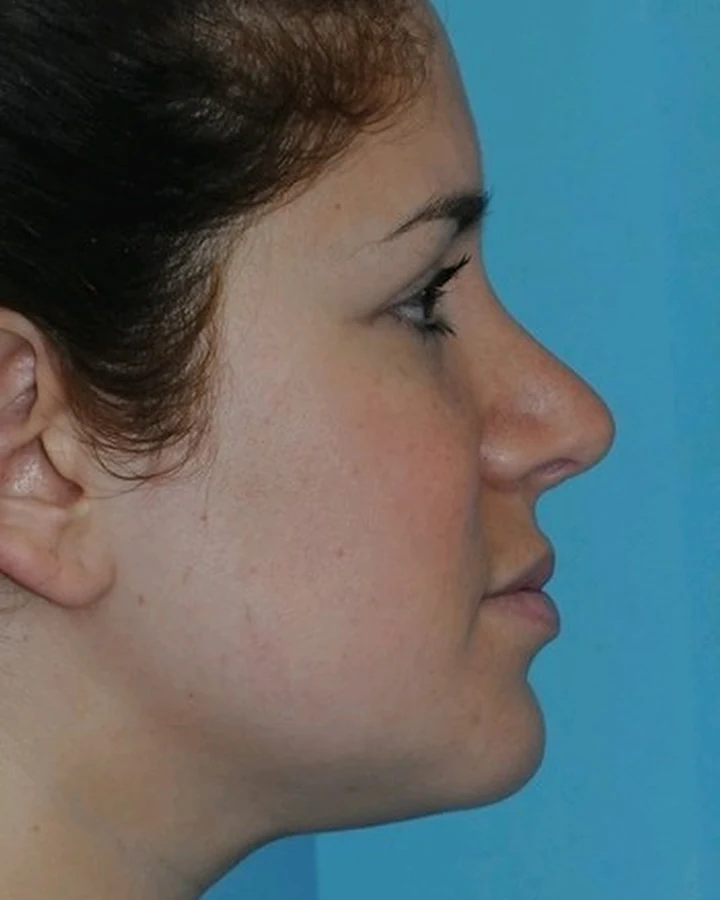
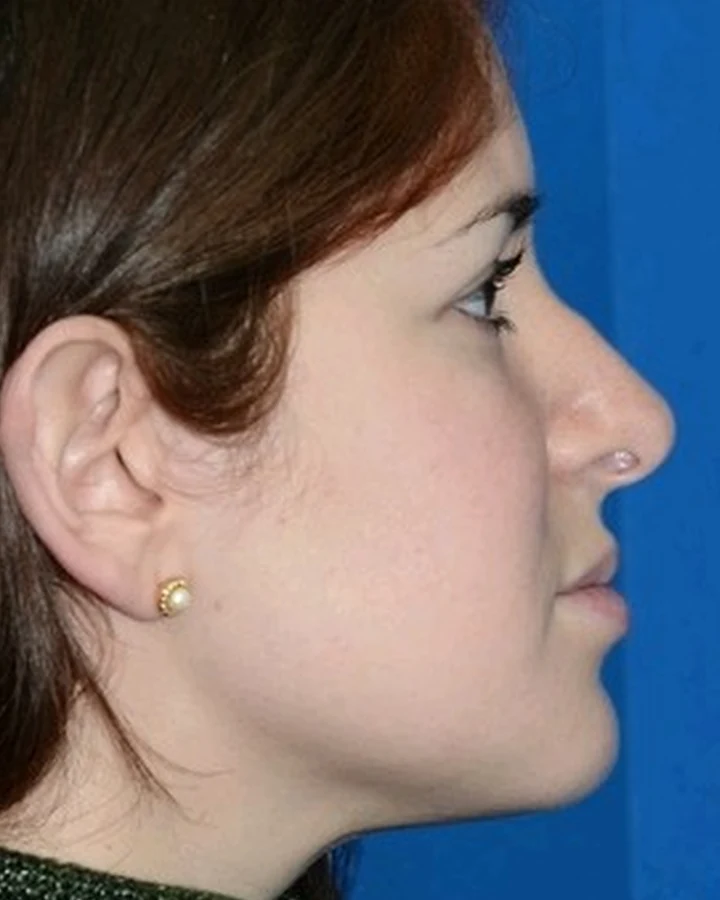
After nasal valve collapse surgery Before nasal valve collapse surgery
Drag to compare

What Is Nasal Valve Collapse?

The internal nasal valve is the narrowest part of the airway, between the septum and the upper lateral cartilage, while the external valve is formed by the nostril opening and its cartilage support. When the sidewall support at either point is weak, it can be drawn inwards as you breathe in, narrowing the airway further.

Nasal valve collapse is primarily a functional concern, often noticed as difficulty breathing through the nose during exercise or while lying down at night, sometimes alongside a visible pinching-in of the nostril or sidewall on breathing in.

Causes and Characteristics

Nasal valve collapse can be present from birth, but is also a common consequence of ageing, a previous nasal injury, or a previous rhinoplasty in which the cartilage providing sidewall support was weakened or removed.

Typical signs are a blocked nose that is worse when breathing in deeply, during exercise or at night, and a sidewall or nostril that visibly draws in on breathing. A simple test is gently pulling the cheek outwards beside the nose - if breathing improves, the nasal valve may be involved. This is assessed properly at consultation.


Treatment options

Nasal valve collapse is corrected by reinforcing the affected area with cartilage grafts - such as spreader grafts for the internal valve or alar batten grafts for the external valve - restoring support to keep the airway open during breathing.

Nasal Valve Repair

Nasal valve repair is usually carried out under general anaesthetic, alone or as part of a septorhinoplasty. Spreader grafts are placed along the bridge to widen the internal valve, and batten or rim grafts strengthen the sidewalls and nostrils to support the external valve - most often using cartilage from the septum, ear or rib. The aim is a stable, open airway with a natural appearance.

Breathing usually improves progressively as internal swelling settles over the first few weeks, with further improvement over the following months. See Post Operative Care and Healing Journey and Final Results for what to expect at each stage.

If you are concerned about nasal valve collapse and its effect on your breathing, book a consultation with Mr Patel to discuss your options.

Mr Kalpesh S Patel FRCS

Personal consultation

Discuss your nasal valve collapse with Mr Patel

A one-to-one assessment of your nose, skin and breathing, with honest advice on what is achievable.

Book a Consultation 0207 262 0297
  • FRCS (ORL-HNS) Consultant Surgeon
  • Founding President, BSRS
  • 51 Harley Street, London
Real patient results

Nasal Valve Collapse before & after

View the full gallery

Patient

Before
After

· use arrows, swipe or tap a view · Esc to close

See more before & after results

Photographs show individual patients of Mr Patel. Results vary from person to person.

Look better · breathe better · feel better

Surgical precision, natural results

Every nose is different. Mr Patel will assess your anatomy in person and explain the options, recovery and realistic outcome.

Prefer to talk? Call 0207 262 0297