Consultant Rhinoplasty Specialist · Harley Street, London
Nasal Deformities

Nasal Deformities Explained

Many patients come to rhinoplasty because of a specific feature of their nose they would like to change, while others are concerned about a problem they don’t yet have a name for. The pages below explain the most commonly discussed nasal deformities in plain terms - what they are, why they happen, and how they relate to other features - alongside a link to the relevant procedure for each.
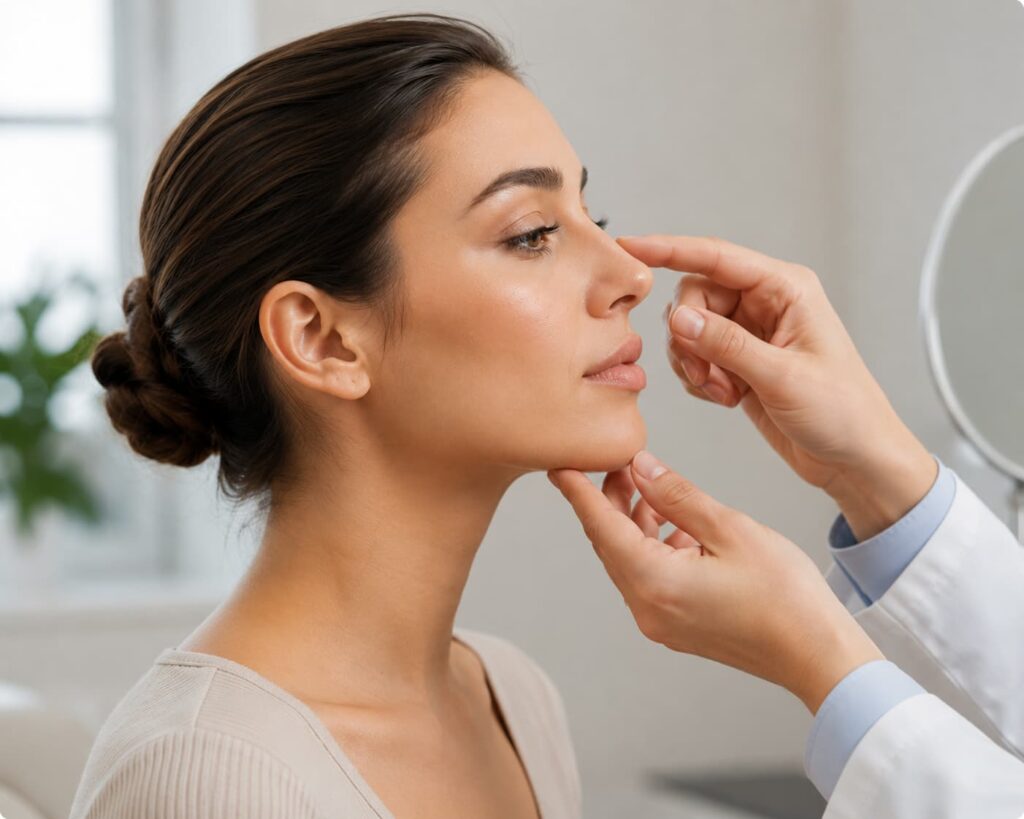
Woman seen in profile with her finger on her nose
14nasal concerns
explained
The guide

Which feature concerns you?

Choose a feature below to read what it is, why it happens and how it is usually treated. If you are unsure which applies, Mr Patel will explain at consultation.

01

The bridge & overall shape

Concerns seen along the length of the nose - in profile, head-on, or after an injury.
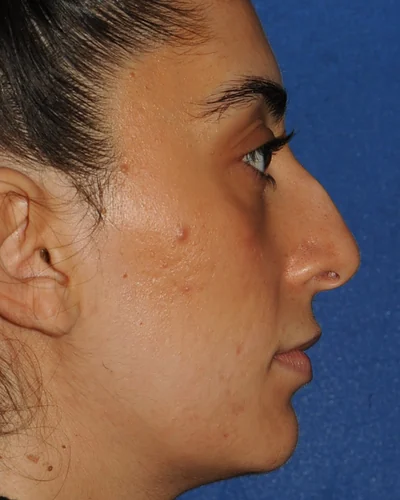
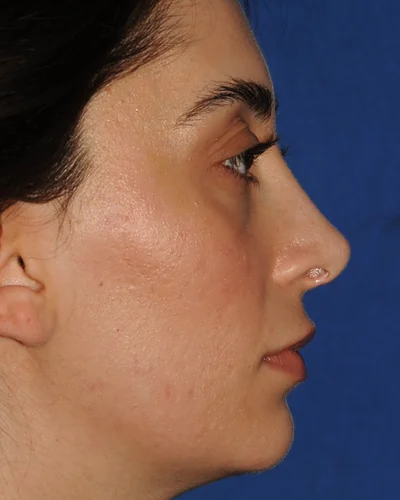
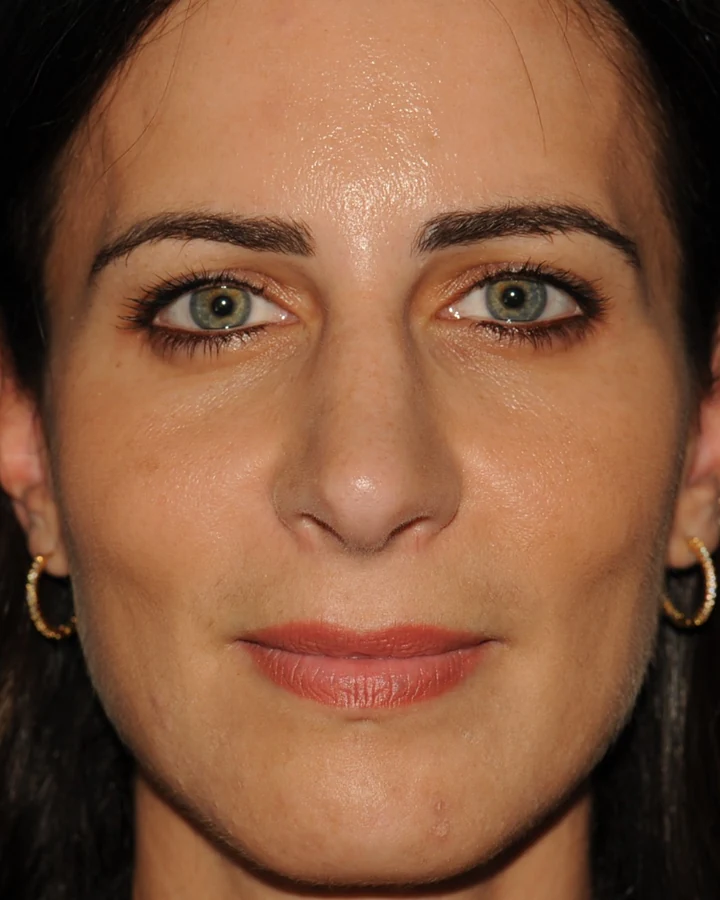
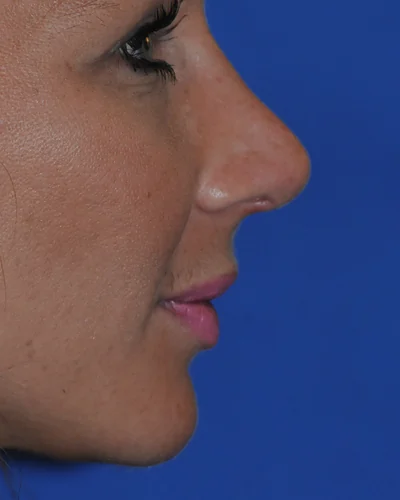
  • Dorsal hump before rhinoplasty – side profileDorsal hump after rhinoplasty with Mr Patel – side profile

    Dorsal Hump

    A visible bump along the bridge, most noticeable when the face is seen from the side.
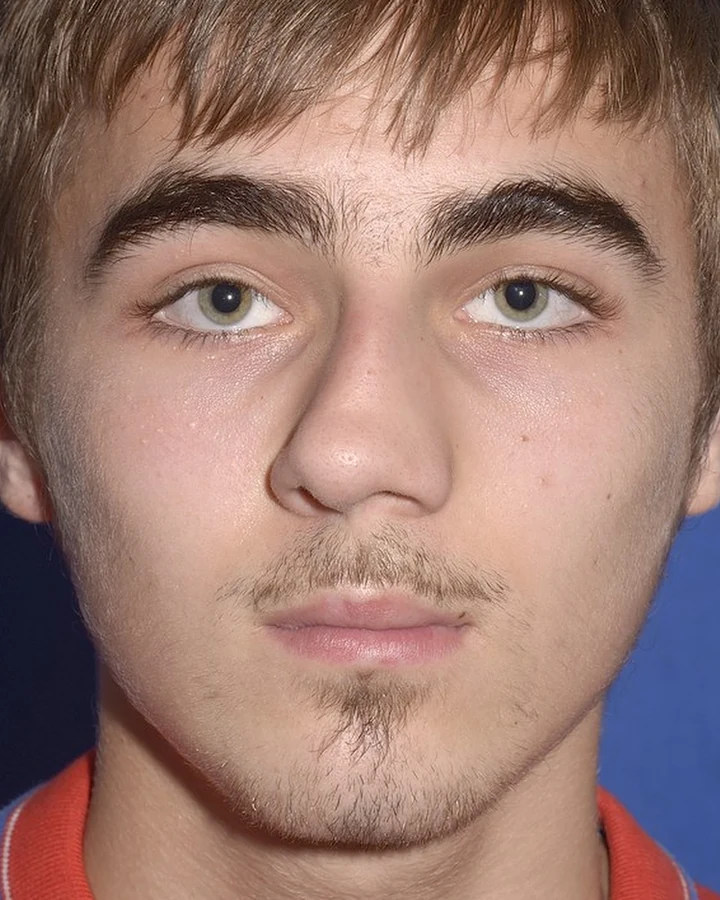
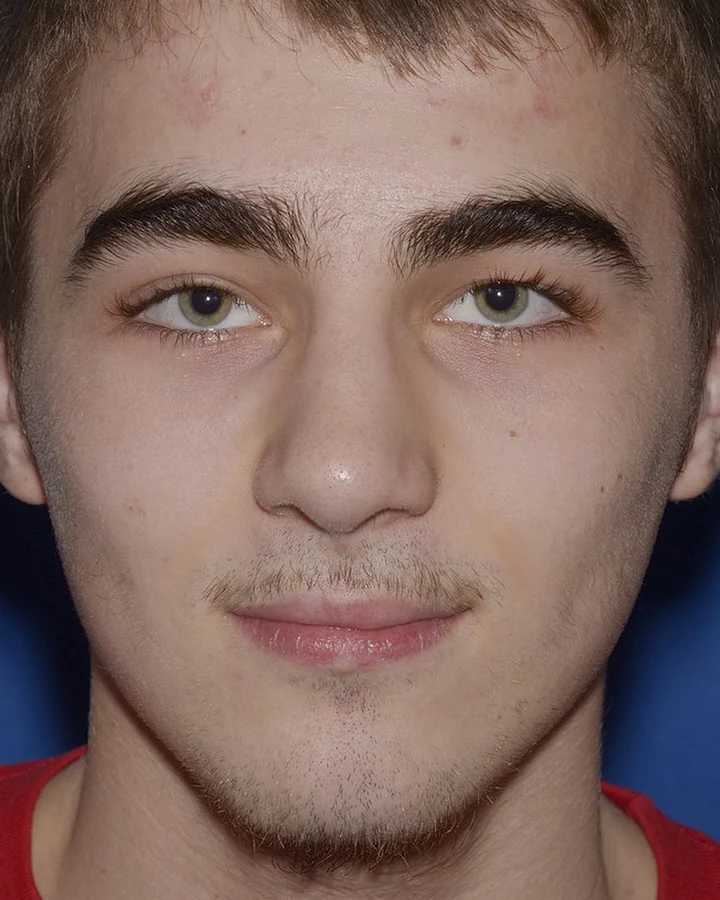
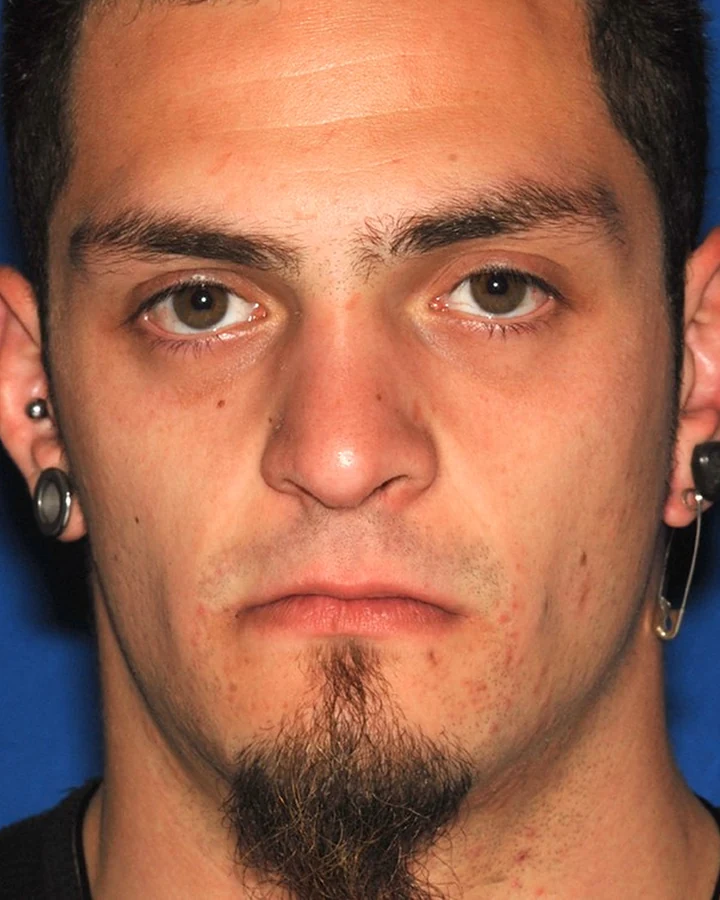
  • Crooked nose before rhinoplasty – front viewCrooked nose after rhinoplasty with Mr Patel – front view

    Crooked Nose

    A nose that deviates to one side, so it no longer sits straight down the centre of the face.
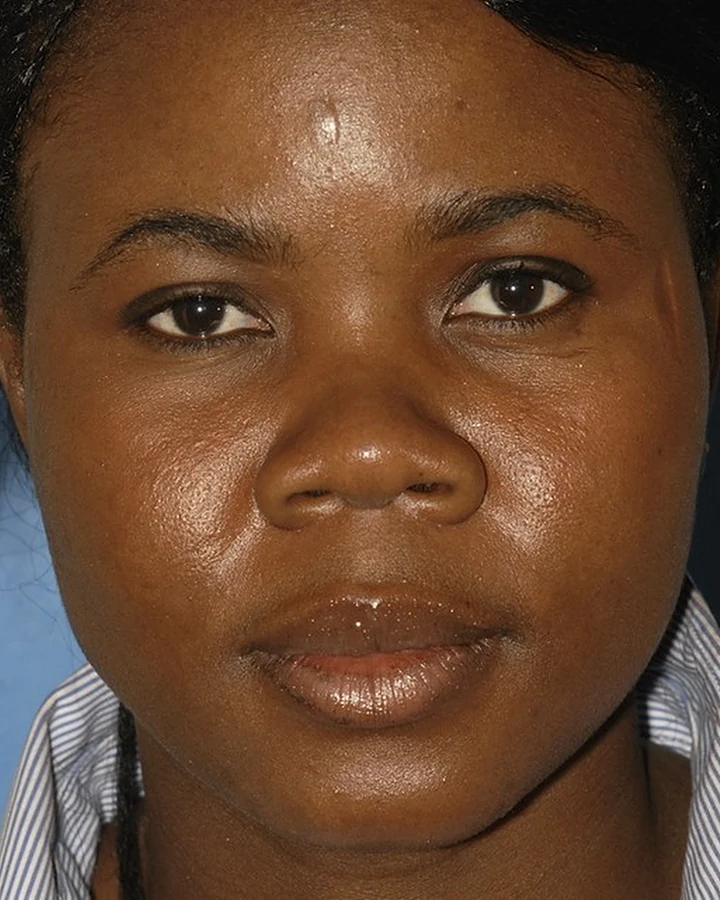
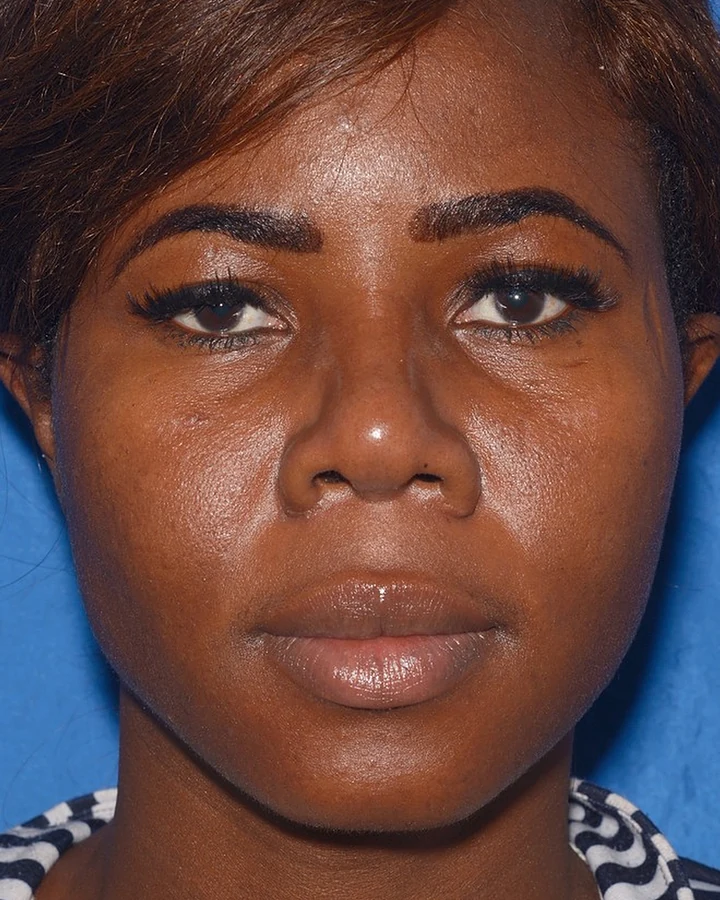
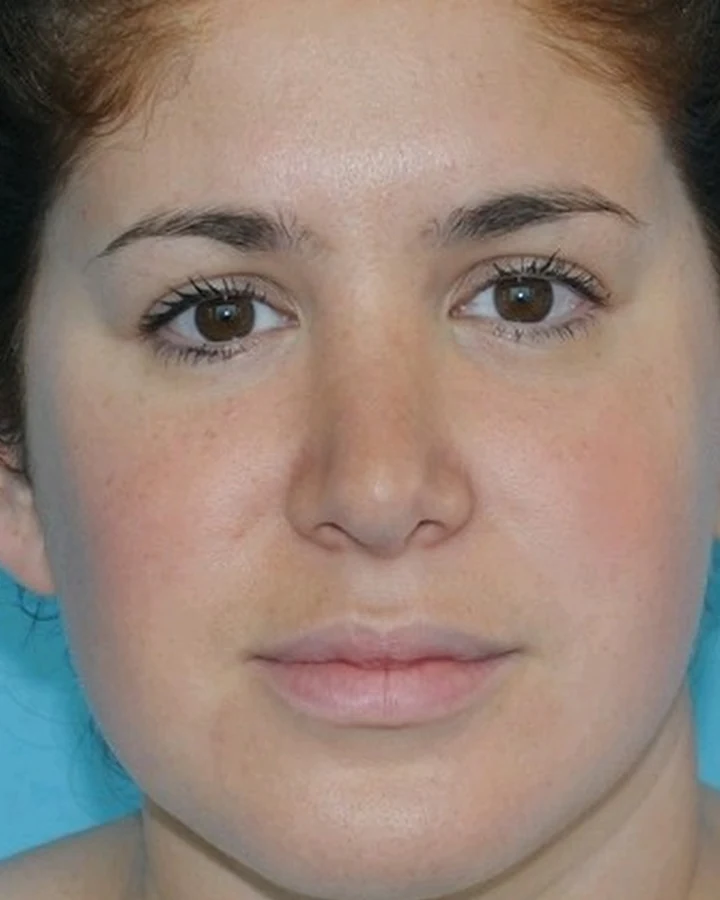
  • Wide bridge before rhinoplasty – front viewWide bridge after rhinoplasty with Mr Patel – front view

    Wide Bridge

    A bony or cartilaginous middle section that looks broad in relation to the rest of the face.
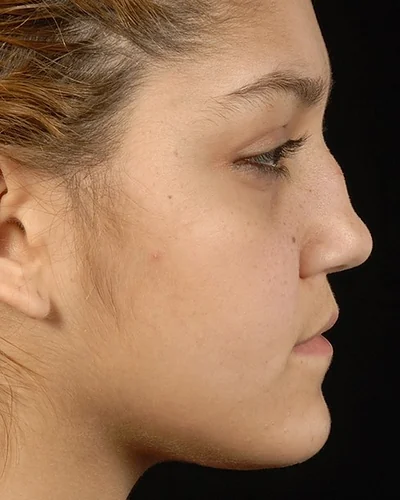
  • Saddle nose before rhinoplasty – side profileSaddle nose after rhinoplasty with Mr Patel – side profile

    Saddle Nose Deformity

    A dip or scooped-out appearance along the middle of the bridge, caused by loss of support.
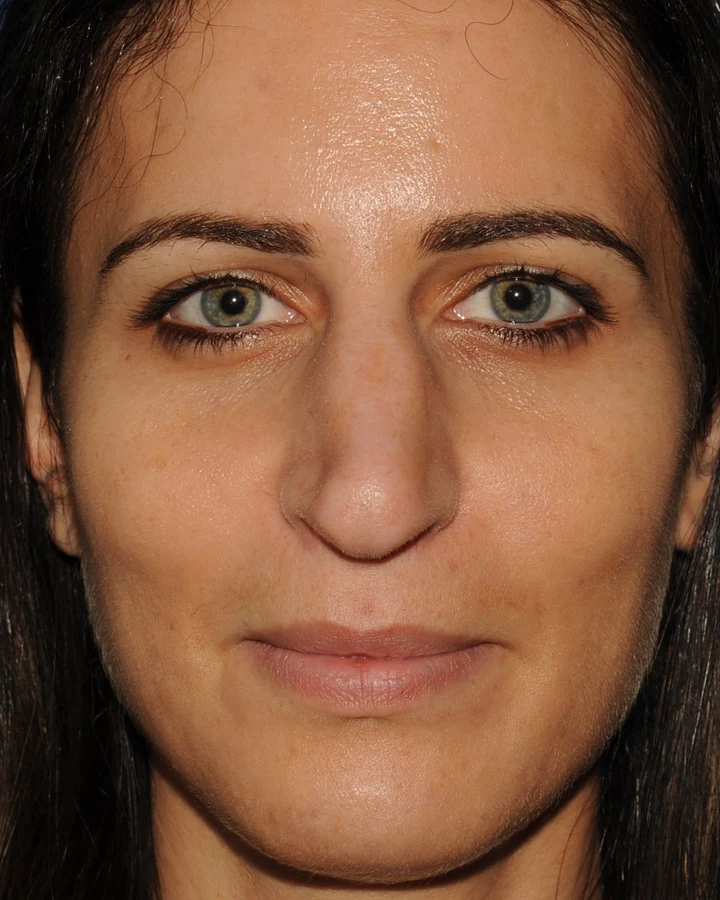
  • Post-trauma nose before rhinoplasty – front viewPost-trauma nose after rhinoplasty with Mr Patel – front view

    Post-Trauma Nasal Deformity

    Lasting changes to the shape or function of the nose following an injury or fracture.

02

The nasal tip

How the tip looks in shape, definition and how far it sits from the face.
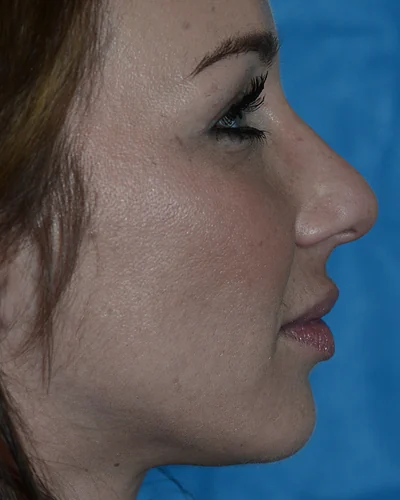
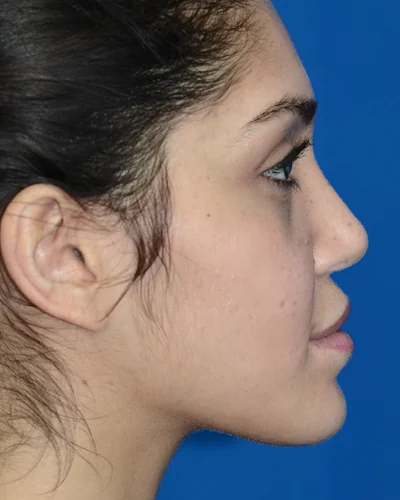
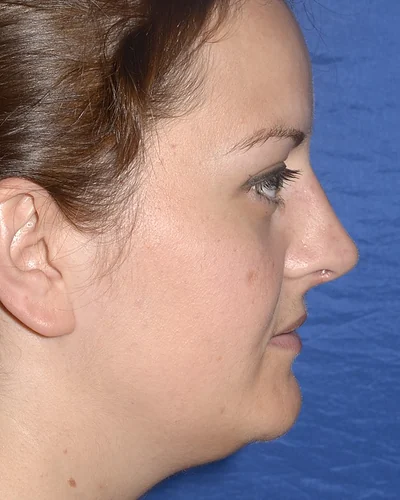
  • Bulbous tip before rhinoplasty – side profileBulbous tip after rhinoplasty with Mr Patel – side profile

    Bulbous Tip

    A tip that appears rounded, wide or full, without the definition some patients want.
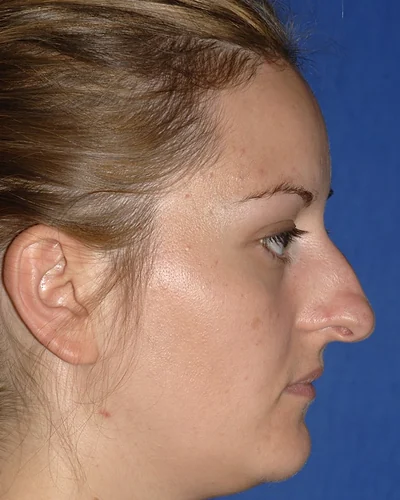
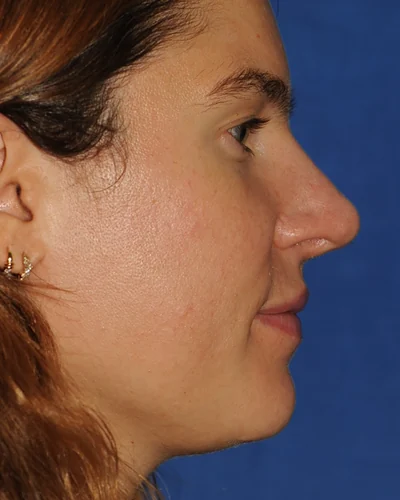
  • Droopy tip before rhinoplasty – side profileDroopy tip after rhinoplasty with Mr Patel – side profile

    Droopy Tip

    A tip that points downwards, often more noticeable when smiling or seen in profile.
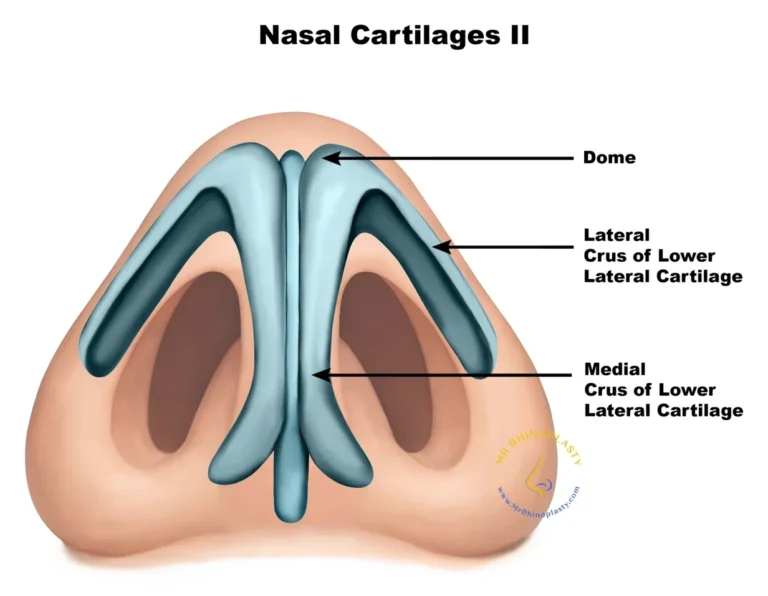
  • Diagram of the nasal tip cartilages

    Pinched Tip

    A tip that looks narrow or tight across its middle, sometimes with small indentations.
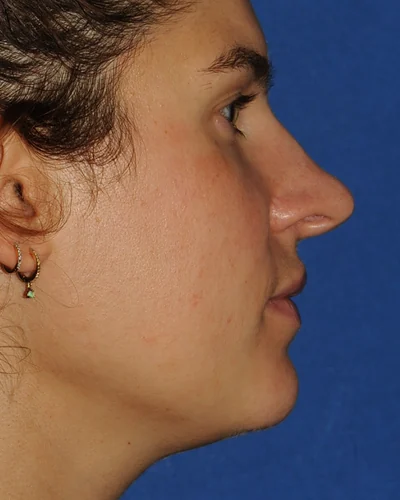
  • Over-projected tip before rhinoplasty – side profileOver-projected tip after rhinoplasty with Mr Patel – side profile

    Over-Projected Tip

    A tip that extends further forward from the face than is in proportion with the profile.
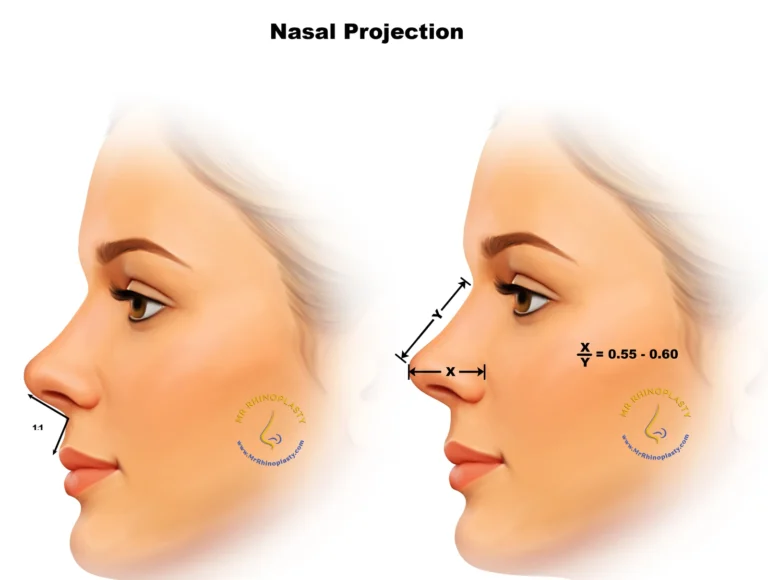
  • Diagram of nasal tip projection

    Under-Projected Tip

    A tip that sits close to the face and can look flat or undefined from the side.

03

Nostrils & breathing

Concerns at the base of the nose, and the structures inside it that affect airflow.
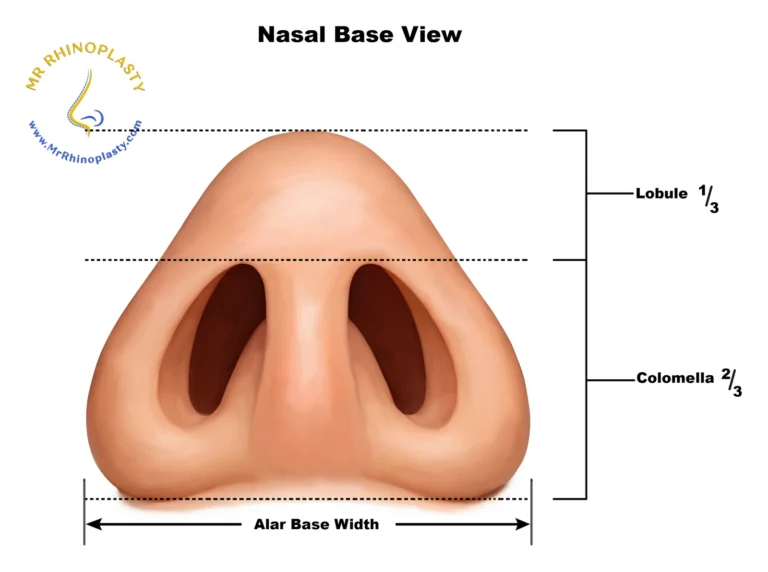
  • Diagram of nostril and base proportions

    Wide Nostrils

    Broad nasal openings at the base, most noticeable from the front or from below.
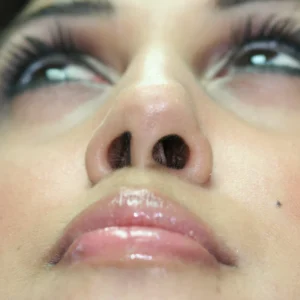
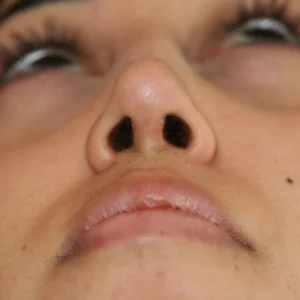
  • Asymmetrical nostrils before rhinoplasty – base viewAsymmetrical nostrils after rhinoplasty with Mr Patel – base view

    Asymmetrical Nostrils

    A visible difference in the size, shape or position of the two nostrils.
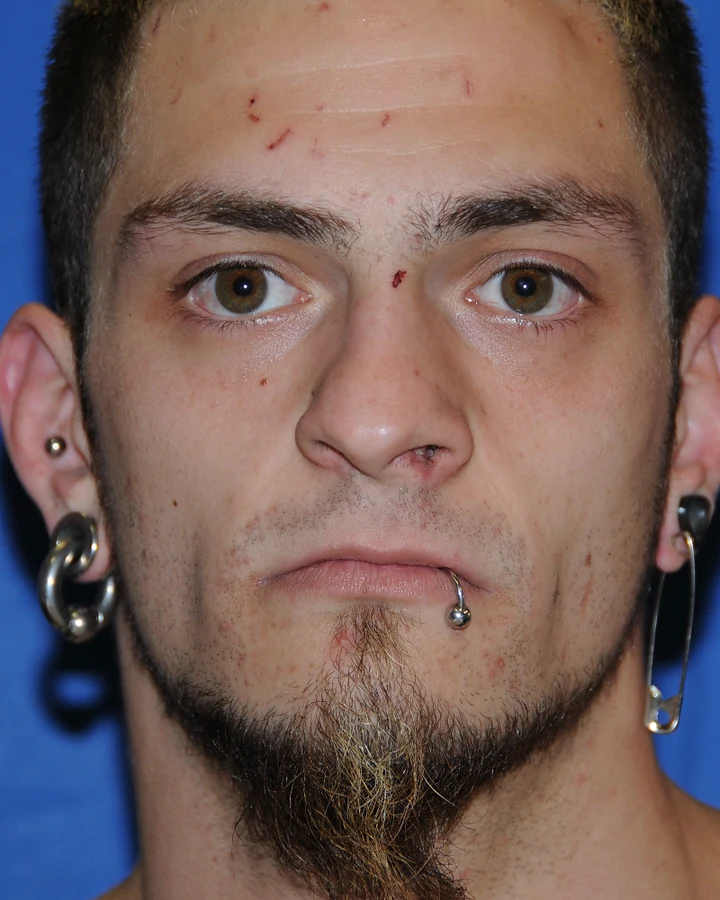
  • Deviated septum before rhinoplasty – front viewDeviated septum after rhinoplasty with Mr Patel – front view

    Deviated Septum

    A displaced dividing wall inside the nose that can narrow one or both airways.
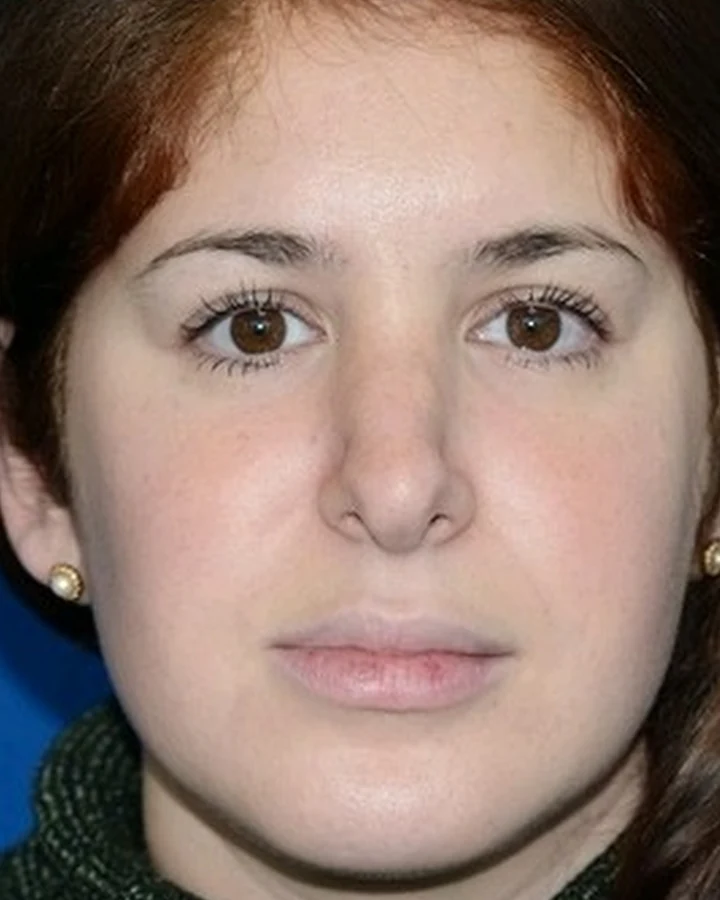
  • Nasal valve collapse before rhinoplasty – front viewNasal valve collapse after rhinoplasty with Mr Patel – front view

    Nasal Valve Collapse

    Weakness or narrowing at the nasal valve that can restrict breathing, especially on inhaling.

Personal advice

Not sure what your concern is called?

Many patients have more than one of these features, or none that fits neatly. A consultation with Mr Patel is the best way to understand your nose and your options.

Or call 0207 262 0297